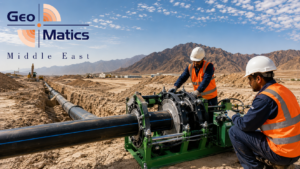
If you’re managing a construction project in Muscat or anywhere else in Oman, there’s one question that should be on your checklist before the first excavator even shows up on site: “What’s actually under the ground here?”
Sounds like a simple question. But ask any contractor who’s hit an unmarked fibre optic cable, a high-pressure water line, or an old utility duct that wasn’t on any map and you’ll get a very different answer. 😅 In Oman’s fast-growing construction scene, from Muscat’s expanding road network to industrial zones in Sohar, Duqm, and Salalah, what’s hidden beneath the surface can make or break your project timeline (and your budget).
This is exactly where Ground Penetrating Radar (GPR) comes in. In this guide, we’ll break down why GPR inspection is quickly becoming a must-have step for construction projects across Oman, what it actually finds, and how to choose the right team for the job.
🔍 What Is GPR, in Plain English?
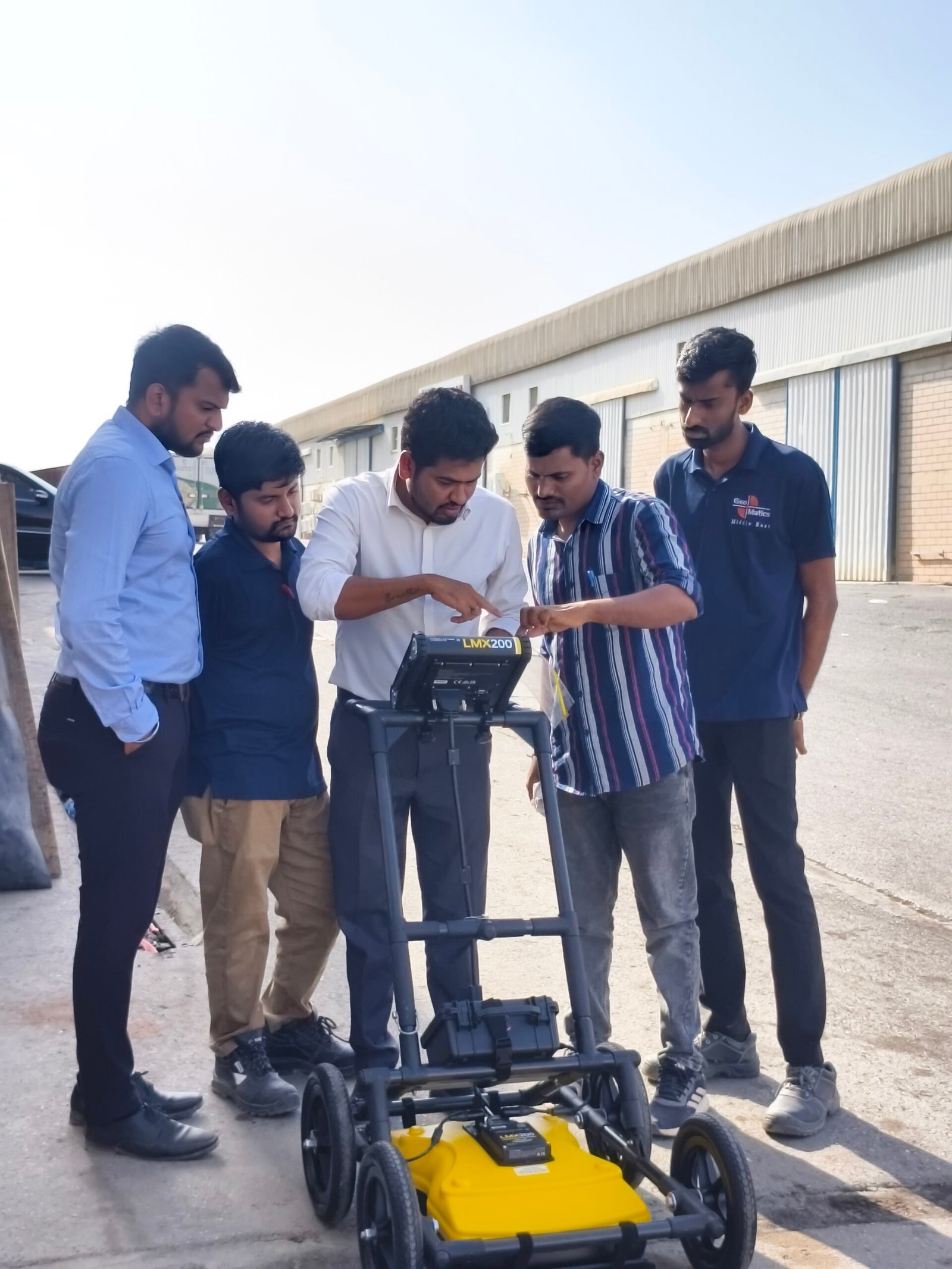
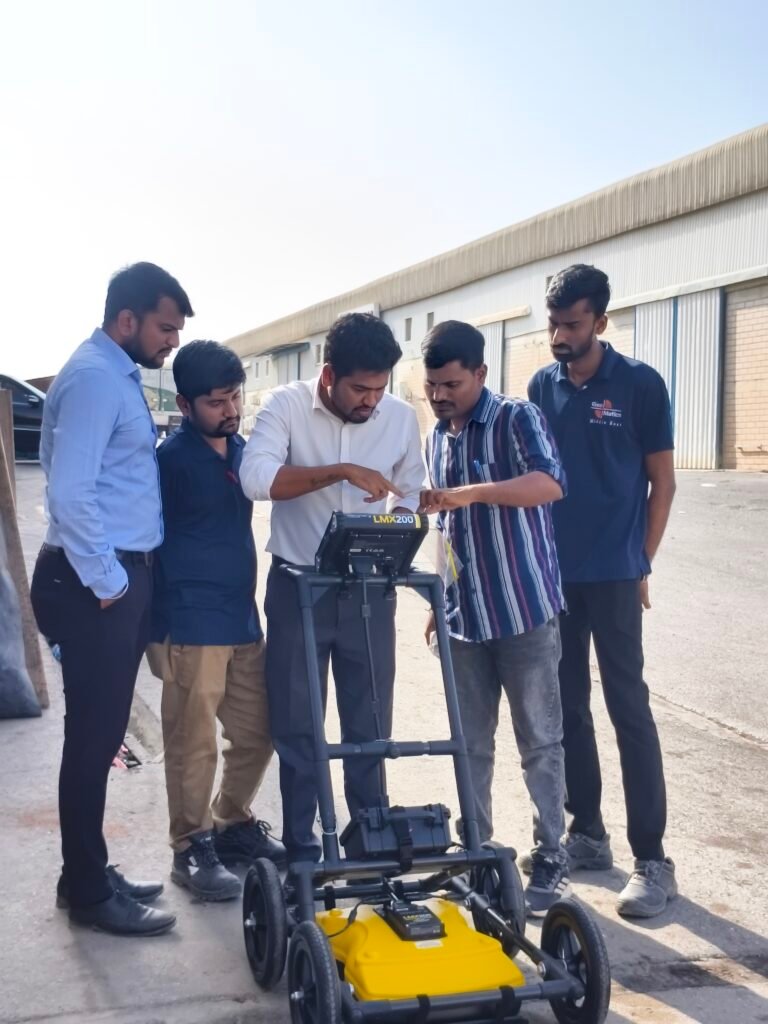
Ground Penetrating Radar is a non-destructive survey method that sends radar pulses into the ground and reads the signals that bounce back. Different materials like soil, rock, concrete, metal pipes, plastic ducts, voids — reflect those signals differently, which lets a trained operator build a picture of what’s hiding below without digging a single hole.
Think of it as an ultrasound, but for the ground instead of a person. If you want a deeper technical breakdown, we’ve covered that in our guide to how GPR survey works. For this post, let’s focus on the practical side: why it matters for your project here in Oman.
🏗️ Why Oman’s Ground Conditions Make GPR Even More Important?
Every country has underground utilities, so why are we making such a big deal about Oman specifically? A few reasons:
- Decades of undocumented utility work. Muscat and other cities have been continuously developed for decades, often by different contractors at different times. Old records are incomplete, outdated, or simply don’t exist.
- Mixed soil and rock conditions. From sandy stretches near the coast to rocky and gravelly terrain inland, Oman’s subsurface conditions vary a lot and GPR settings need to be adjusted accordingly to get reliable results.
- Dense utility corridors in urban Muscat. Areas around Ruwi, Qurum, Al Khuwair, and the Muscat Expressway corridor have a tangle of water lines, electrical cables, telecom ducts, and sewer lines often layered close together.
- Mega infrastructure projects. With ongoing developments around Duqm, Sohar, and various PDO and OQ project sites, the scale of excavation work happening across the Sultanate means the chances of an unmapped utility strike go up significantly.
In short: if you’re digging in Oman, assuming “it’s probably fine” is a gamble and not a cheap one.
⚠️ What Happens If You Skip GPR Inspection?
Let’s talk numbers and headaches, because that’s what really gets a project manager’s attention.
1. Utility strikes = expensive delays
Hitting a buried cable or pipe doesn’t just damage the utility it can shut down your site for days while repairs are coordinated with the relevant authority (think Muscat Electricity Distribution Company, Oman Water and Wastewater, or telecom providers). Every day of downtime adds up in labour costs, equipment rental, and missed deadlines.
2. Safety risks for your crew
Striking a live electrical cable or a gas line isn’t just an inconvenience, it’s a genuine safety hazard. If you’ve followed our earlier post on cable fault detection in Oman, you’ll know how seriously cable damage is taken across power, telecom, and oil & gas sectors here.
3. Compliance headaches
Many Omani authorities and major contractors now require a documented underground utility survey before excavation permits are issued, especially for projects near existing infrastructure. Skipping this step can mean delayed approvals or rejected permit applications.
4. Budget overruns from “surprise” rework
Foundation work that hits an unexpected void, soft spot, or old buried structure can mean redesigning your foundation layout mid-project, a costly surprise that a pre-construction GPR scan would have flagged early.
✅ What GPR Inspection Actually Finds (Before You Dig)
A proper GPR survey on your Oman construction site can identify:
- Underground utilities – water pipes, drainage and sewer lines, electrical cables, telecom and fibre optic ducts
- Concrete conditions, rebar location, slab thickness, post-tension cable positions, and voids inside concrete structures
- Subsurface voids and cavities, including natural cavities in certain rock formations, which can be relevant in parts of Oman’s terrain
- Soil layering and bedrock depth, useful for foundation design and geotechnical planning
- Buried tanks or old structures common on sites that have been previously developed or used industrially
This information feeds directly into your design, excavation planning, and risk assessment, turning “we hope it’s fine” into “we know what’s there.”
🆚 GPR vs. Traditional Methods: Quick Comparison
Some teams still rely purely on old utility drawings, hand-digging trial pits, or basic cable locators. These methods aren’t useless, but they each have limits:
- Old utility maps, often outdated or incomplete, especially for older parts of Muscat
- Trial pits / hand digging — accurate where dug, but slow, labour-intensive, and only tells you about that one spot
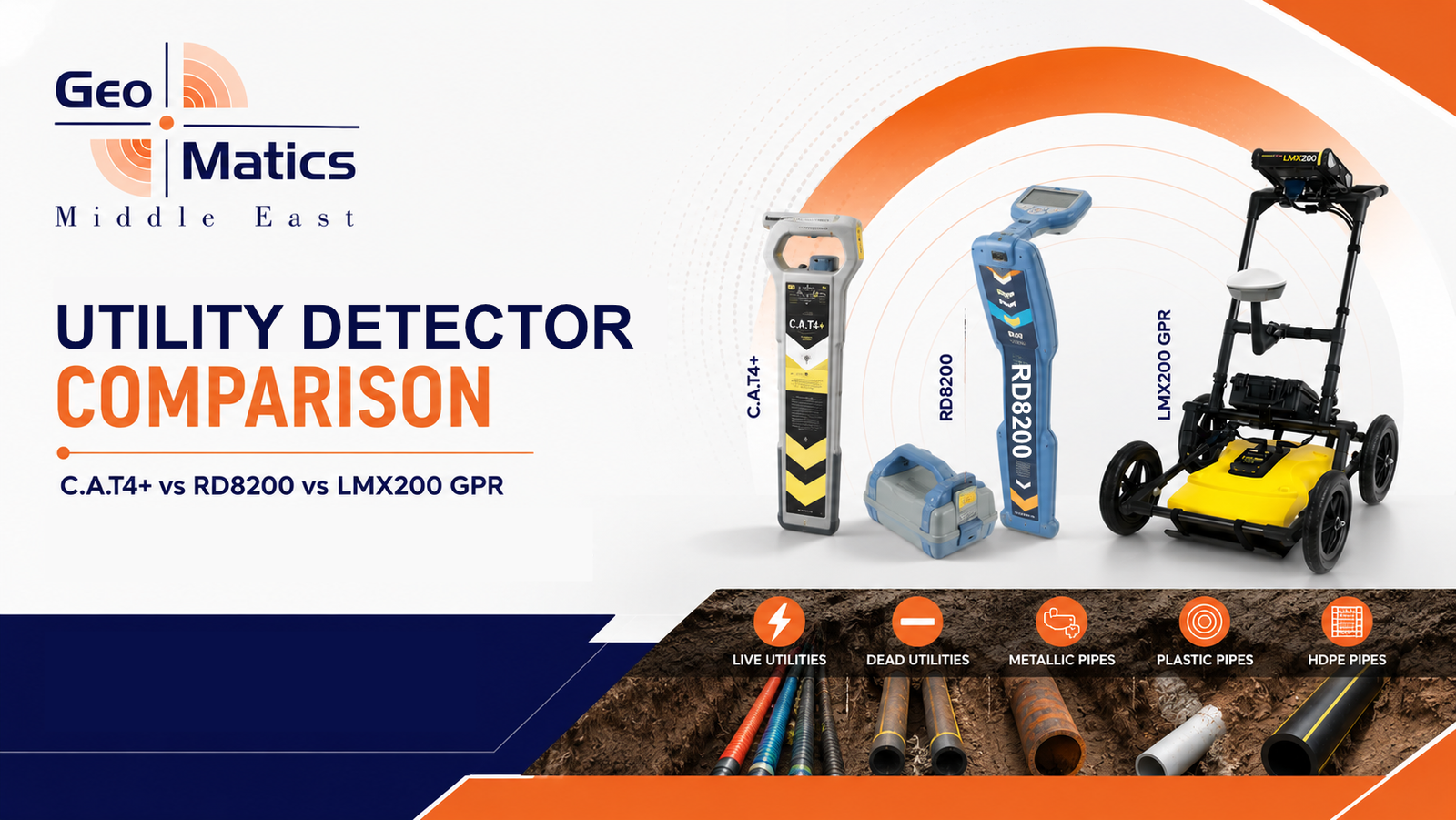
- Basic electromagnetic locators, great for metallic and live cables, but can miss non-metallic pipes (like many plastic water and drainage lines)
- GPR covers wide areas quickly, detects both metallic and non-metallic targets, and works on concrete as well as soil
The smartest approach? Most experienced survey teams in Oman combine GPR with electromagnetic locators (EML) for the most complete underground picture covering each other’s blind spots.
🤝 Choosing the Right GPR Inspection Team in Oman
Not all GPR surveys are equal, results depend heavily on the equipment used and the experience of the operator interpreting the data. When choosing a GPR inspection partner for your project in Muscat or elsewhere in Oman, look for:
- Local experience, familiarity with Oman’s soil types, common utility layouts, and local regulations
- Modern, well-maintained GPR equipment, calibrated systems that can adapt to different ground conditions
- Clear, usable deliverables, reports and maps your engineering team can actually work with (CAD-compatible formats, depth markings, etc.)
- Combined survey capability, ideally GPR plus EML and GPS-tagged data for full utility mapping
- Fast turnaround, construction schedules don’t wait, so survey results need to come back quickly
At Geomatics Middle East, our GPR survey service covers underground utility mapping, 3D model surveys, connectivity surveys for sewer and drainage networks, and 3D manhole surveys, all tailored for projects across Oman’s construction, oil & gas, and telecom sectors.
💰 What About Cost?
GPR inspection costs in Oman typically depend on factors like site size, ground complexity, urgency, and the type of survey needed (utility mapping vs. concrete scanning vs. full geotechnical assessment). While it’s an added line item in your budget, it’s almost always far cheaper than the cost of a single utility strike, a delayed permit, or emergency rework after construction has started.
If you’d like a quote tailored to your project, our team can walk you through the scope and pricing based on your site specifics get in touch with us here.
🙋 Frequently Asked Questions
When should I schedule a GPR survey for my project?
Ideally before excavation begins, during the planning or early design phase. This gives your engineering team time to adjust layouts if anything unexpected is found.
Can GPR detect plastic and PVC pipes?
Yes. Unlike electromagnetic locators, GPR can detect non-metallic utilities such as plastic water and drainage pipes, which is one of its biggest advantages.
Does GPR work on all soil types in Oman?
GPR performance varies with soil conductivity. Sandy and dry soils common in many parts of Oman generally allow good signal penetration, while highly conductive or saturated soils can reduce depth range. An experienced operator will adjust frequency and settings accordingly.
Is GPR inspection required by law in Oman?
While not universally mandated for every project, many authorities and major contractors require underground utility surveys before issuing excavation permits, particularly in developed urban areas of Muscat and near existing infrastructure.
🚧 Final Thoughts
Construction projects in Oman move fast and the last thing any project manager wants is a multi-day shutdown because of something that was sitting two metres below the surface the whole time. A GPR inspection isn’t just a “nice to have” anymore; it’s quickly becoming standard practice for anyone serious about avoiding delays, staying compliant, and keeping their crew safe.
If you’re planning a project anywhere in Muscat, Sohar, Duqm, or beyond, and want to know exactly what’s beneath your site before you break ground, our team at Geomatics Middle East is ready to help. Reach out to us and let’s map it out literally.